
Local SEO checklist: 12 things to get right
- Published
- 5 October 2026
- Read time
- 6 minute read
Our local SEO checklist covers Google Business Profile, location pages, citations, reviews, AI search and reporting, so you’re visible everywhere local customers look.
 Tom Light
1.Introduction
Customers find local businesses through Google, Maps, social feeds, directories and AI assistants, often using several in the same search. That makes it easy to miss something. This checklist runs through the essentials we cover for every local SEO client, so you can build visibility in all the right places and turn it into business.
This checklist is part of our guide to how to do local SEO.
2.Google Business Profile
Your Google Business Profile has the biggest single influence on whether you appear in the local pack and Google Maps. The strongest ranking factors are your primary category, proximity to the searcher and your business name, with physical address and opening hours close behind.
Claim and verify a profile for every location.
Choose the right primary category, then add relevant additional categories.
Add Google’s predefined services, plus custom services where needed. Predefined services score highly as a ranking factor.
Set accurate opening hours, including special and holiday hours. Whether you’re open at the time of the search is a top-five ranking factor.
Use your real business name. Adding keywords can help rankings, but it breaks Google’s guidelines and risks suspension.
Upload real, high-quality photos and video. No stock images.
Complete attributes, products and offers where relevant.
Link to the relevant location page, not your homepage.
Post updates regularly about news, events, offers and changes to opening hours.
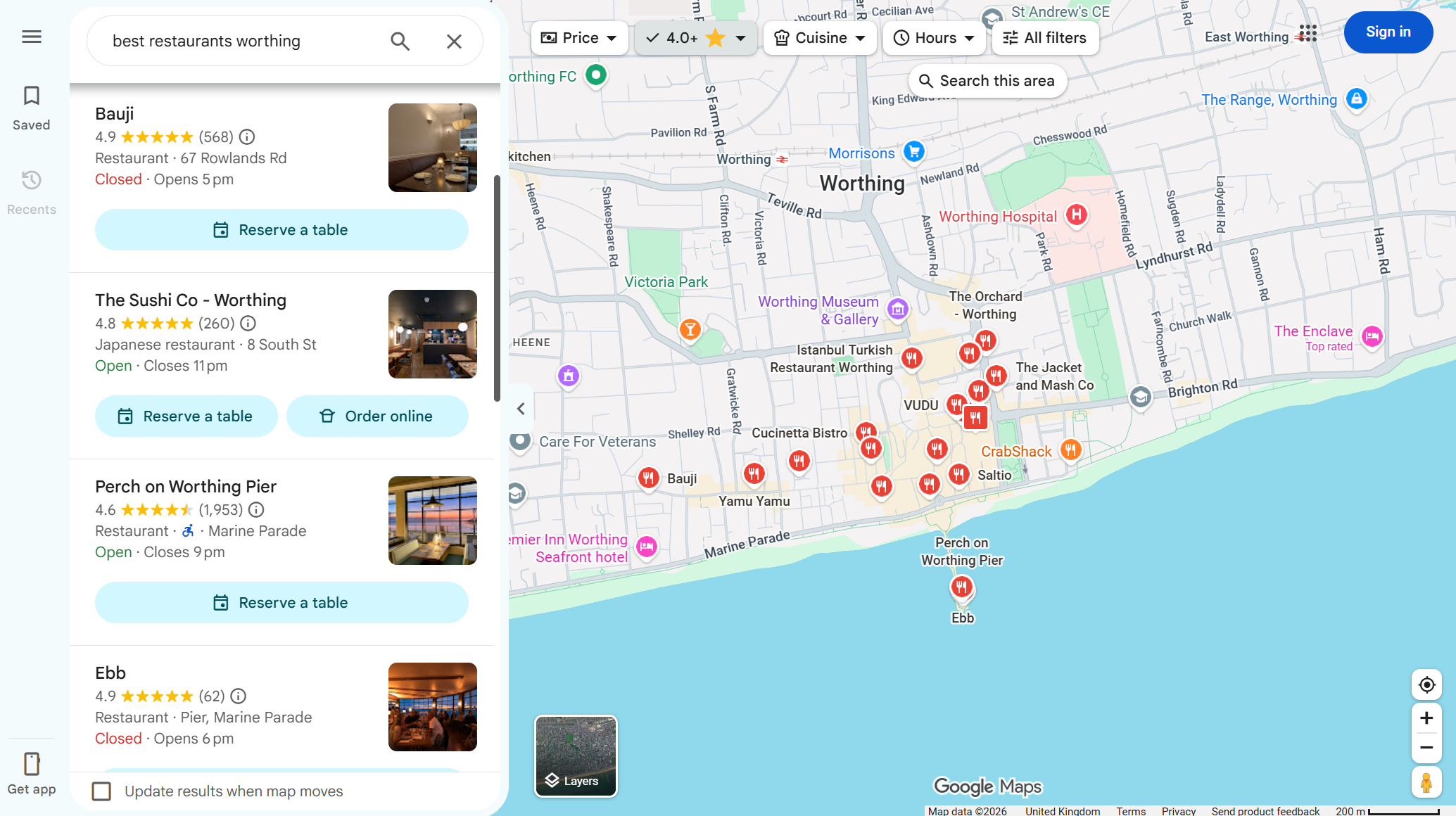
For a deeper walkthrough, see how to show up in Google Maps.
3.Location pages
Each location needs its own page. Dedicated pages for each service are one of the strongest local organic ranking signals, and the same principle applies to locations.
Accurate NAP (name, address and phone number) that exactly matches the Business Profile.
Opening hours, facilities and services specific to that location.
Unique content. Don’t just swap the town name.
A Google Maps embed and directions.
Local FAQs answering what people actually ask.
Clear calls to action: call, book, get directions.
A locations hub page linking to every location page, plus a store finder if you have 10+ sites.
Internal links to each location page with descriptive anchor text.
4.Local keyword research
Explicit local keywords name the place: “used cars Manchester”.
Implicit local keywords imply local intent: “used car dealer”, “used cars near me”.
Informational local keywords add qualifiers: “best used car dealers in Manchester”.
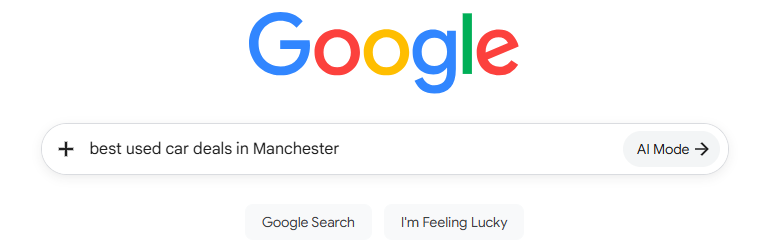
Use a keyword tool with location filters to check demand in each area, then prioritise by intent, volume and difficulty. Repeat regularly, because local demand shifts with seasons, events and competitors.
5.Title tags and meta descriptions
Include the location on every relevant page, using a consistent template: Keyword in Location | Brand Name. For example:
Reliable Used Cars in Manchester | Safe & Sound Motors
Don’t obsess over exact character counts. Google reads the whole title even when it truncates the display. Put the most important, click-worthy words first. For meta descriptions, include brand and location naturally and aim for around 150–160 characters.
6.Local business structured data
LocalBusiness structured data helps Google understand your address, hours and contact details.
Add LocalBusiness markup (or the most specific subtype) to each location page.
Make sure every detail matches the visible page and your Business Profile.
Test with Google’s Rich Results Test.
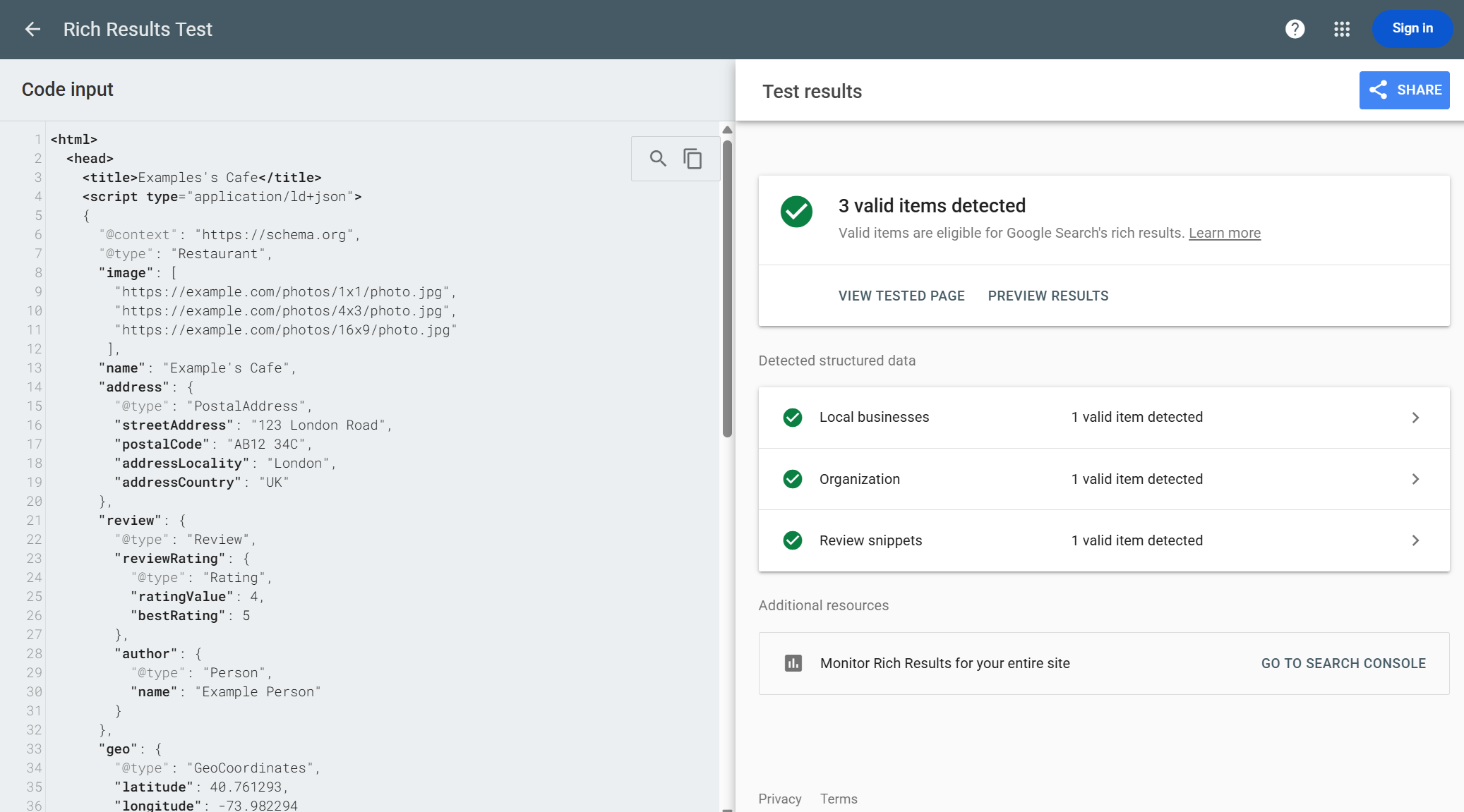
It won’t transform rankings alone, but it removes ambiguity for search engines and AI tools alike.
7.Mobile experience and page speed
Most of the time UK adults spend online is on a smartphone, and Google Maps is one of the most-used apps in the country. Local search is a mobile-first experience.
Check location pages load quickly and pass Core Web Vitals.
Make phone numbers tappable and forms short.
Keep address, hours and phone visible without scrolling.
Test the full journey from search to conversion.
8.Citations and listings
Citations help search engines verify you’re legitimate, and they matter even more for AI search, because AI tools rely heavily on directories as sources.
Use one NAP format everywhere.
Claim and complete Apple Business Connect and Bing Places.
Get listed on the directories and industry platforms that matter in your sector.
Complete every field on each listing.
Use a citation management tool to find and fix inconsistent, duplicate or outdated listings.
9.Local link building
Good local link sources include local news and community sites, councils and business improvement districts, universities and schools, local charities and clubs, tourism and “what’s on” sites, partner businesses, and local bloggers and creators.
The most reliable way to earn them is to be an active part of the community. Sponsor events, partner locally, support local causes and give people a reason to write about you.
10.Reviews and social proof
Reviews influence rankings and decisions. They potentially influence as much as £23 billion of UK consumer spending a year, and customers are increasingly picky: many won’t consider a business with fewer than four stars or only a handful of reviews.
Ask every customer, consistently. Most people who are asked for a review leave one.
Keep reviews recent. Most people only pay attention to reviews from the last few months.
Respond to every review and personalise your replies. Templated responses put people off.
Stay within the rules. Google’s review policies prohibit staff review quotas, asking customers to mention staff names, review gating and incentives. In the UK, fake and concealed incentivised reviews are illegal under the Digital Markets, Competition and Consumers Act.
Show social proof on your site: review scores, awards and accreditations.
11.Social and video
12.AI search visibility
More searches now show AI-generated answers, and Google Maps answers questions with AI using your profile, reviews, photos and website. You need to know what AI says about you.
Test it. Ask ChatGPT, Gemini and Google’s AI results the questions your customers ask. Check whether you appear and whether the details are right.
Fix inaccuracies at the source: your website, Business Profile and the listings AI tools cite.
Get onto expert-curated “best of” lists, one of the strongest signals for AI visibility.
Answer common questions on your own site.
13.Local SEO reporting
Local visibility is spread across Search, Maps, social, directories and AI tools, so reporting needs to pull it together and tie it to calls, visits and revenue for each location.
See our guide to local SEO reporting, and use our local SEO audit to check how you’re doing.
14.In short
Get your Business Profile and location pages right, keep details consistent everywhere, earn recent reviews and genuine local mentions, and check what AI tools say about you. Then measure what it’s all doing for the business.
Managing lots of locations? Read local SEO for multiple locations.
Turn local visibility into customers
Our SEO team helps businesses get found across Google, Maps, directories and AI search, then measures what that visibility means for calls, visits and revenue. Let’s find your quickest wins.



Instagram, TikTok and YouTube are all places people discover and vet local businesses.
Create profiles or pages for each location where supported.
Keep business details consistent with your listings.
Encourage customers and creators to share video.
Link your social profiles to your Business Profile.